Maintaining a healthy smile goes beyond brushing and flossing at home. While daily oral hygiene is essential, professional care plays a critical role in preventing dental problems before they start. Scheduling routine dental cleaning Savannah, GA patients rely on is one of the most effective ways to protect both your teeth and overall oral health.
Regular dental cleanings do more than just make your smile look brighter. They help remove harmful buildup, detect issues early, and support long term dental wellness. Understanding why these visits matter can help you stay proactive about your oral care.
What Happens During a Professional Dental Cleaning?
A professional dental cleaning is a thorough process designed to remove plaque, tartar, and surface stains from your teeth. Even with excellent brushing and flossing habits, certain areas of the mouth are difficult to clean effectively at home.
During your appointment, a dental hygienist will carefully remove plaque and hardened tartar from your teeth, especially along the gumline. This is followed by polishing to smooth the tooth surface and help prevent future buildup. In many cases, the visit also includes flossing and a fluoride treatment for added protection.
In addition to cleaning your teeth, your dental team will examine your oral health. This allows them to identify potential concerns such as cavities, gum disease, or early signs of other conditions before they become more serious.
Preventing Cavities and Tooth Decay
One of the primary benefits of routine dental cleaning is cavity prevention. Plaque is a sticky film of bacteria that constantly forms on your teeth. When it is not removed regularly, it can lead to tooth decay.
Over time, plaque hardens into tartar, which cannot be removed with brushing alone. Tartar buildup creates an environment where bacteria thrive, increasing the risk of cavities. Professional cleanings remove both plaque and tartar, reducing the likelihood of decay.
By staying consistent with cleanings, you can avoid the need for more extensive treatments such as fillings or crowns. Preventive care not only protects your smile but also helps you save time and money in the long run.
Supporting Healthy Gums and Preventing Gum Disease
Healthy gums are just as important as healthy teeth. Gum disease, also known as periodontal disease, is a common condition that can lead to inflammation, bleeding, and even tooth loss if left untreated.
Regular cleanings help remove bacteria that collect along the gumline, which is where gum disease often begins. Early stages of gum disease, known as gingivitis, can often be reversed with professional care and improved oral hygiene habits.
If gum disease progresses, it can damage the supporting structures of the teeth, leading to more serious complications. Routine visits for dental cleaning Savannah, GA patients trust play a key role in keeping your gums healthy and preventing these issues from developing.
Early Detection of Dental Problems
One of the most valuable aspects of regular dental visits is the opportunity for early detection. Many dental issues do not cause noticeable symptoms in their early stages, which means they can go unnoticed without a professional exam.
During your cleaning appointment, your dentist can identify signs of cavities, cracked teeth, gum disease, and other concerns. Detecting these issues early allows for simpler and more conservative treatment.
In some cases, early detection can also reveal signs of broader health concerns. Oral health is closely connected to overall health, and your dental team may notice indicators of conditions such as diabetes or vitamin deficiencies.
By prioritizing regular checkups and cleanings, you can stay ahead of potential problems and maintain better overall health.
Boosting Confidence with a Brighter Smile
In addition to protecting your oral health, professional cleanings also improve the appearance of your smile. Over time, teeth can become stained from foods, beverages, and lifestyle habits.
A dental cleaning removes surface stains, leaving your teeth looking cleaner and brighter. This can enhance your confidence and make you feel more comfortable when speaking, smiling, and interacting with others.
While cleanings are not the same as whitening treatments, they provide a noticeable improvement in the look of your teeth. Combined with good at home care, they help you maintain a fresh and polished smile year round.
Make Dental Cleanings Part of Your Routine
Staying consistent with dental visits is one of the best things you can do for your oral health. Most patients benefit from scheduling cleanings every six months, although your dentist may recommend a different schedule based on your needs.
By making routine cleanings a priority, you can prevent problems, detect issues early, and enjoy a healthier smile for years to come. Whether you are focused on prevention or maintaining your current oral health, regular care is essential.
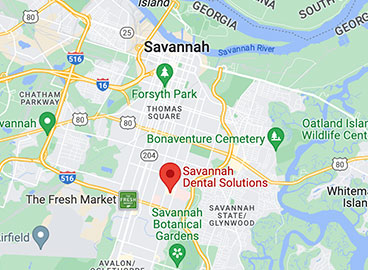
At Savannah Dental Solutions, patients receive personalized attention and comprehensive care designed to support long term oral health. From preventive services to advanced treatments, their team is committed to helping you achieve and maintain a healthy, confident smile.
Frequently Asked Questions About Dental Cleanings
How often should I get a dental cleaning?
Most patients should schedule a dental cleaning every six months. However, some individuals may need more frequent visits depending on their oral health and risk factors.
Are dental cleanings painful?
Dental cleanings are generally comfortable and straightforward. Some patients may experience mild sensitivity, especially if there is buildup or gum inflammation, but this is typically temporary.
At Savannah Dental Solutions, we believe that preventive care is the foundation of a healthy smile. We work closely with our patients to provide thorough, comfortable cleanings and personalized guidance for long term oral health. Our team is here to help you feel confident in your smile every step of the way. Contact us today to learn more and schedule an appointment.